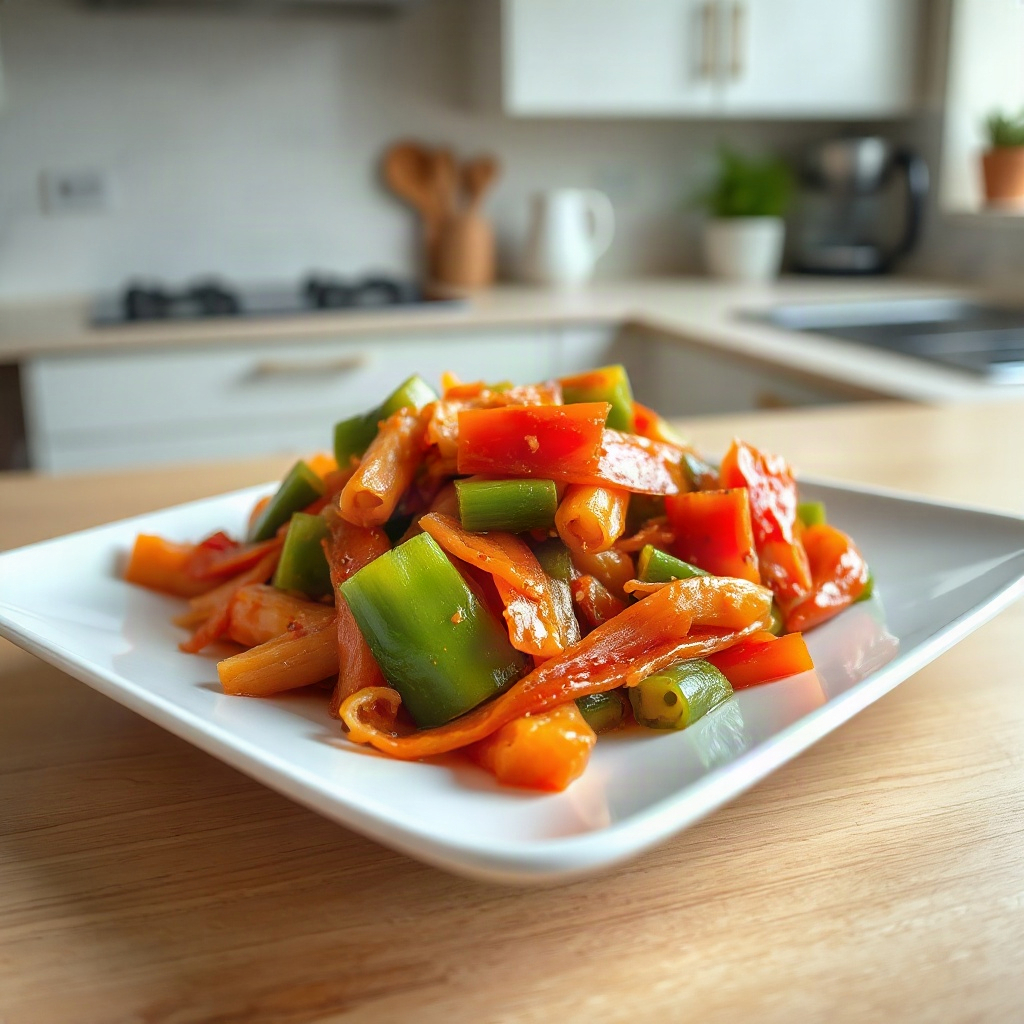
Fermented cabbage recipes, such as kimchi and sauerkraut, offer not only a burst of flavor but also a plethora of gut health benefits. These dishes are rich in probiotics, which are essential for maintaining a healthy digestive system and enhancing overall well-being. With straightforward preparation methods, you can easily incorporate these flavorful staples into your diet.
This article will guide you through the essentials of making delicious fermented cabbage recipes, including the key ingredients, step-by-step instructions, and tips for achieving the best results. Whether you’re a seasoned fermenter or trying this for the first time, you’ll find everything you need to create these nutritious and tasty dishes at home.
Table of Contents
Table of Contents
Why You’ll Love This Recipe
Fermented cabbage recipes like kimchi and sauerkraut not only burst with flavor but also offer a delightful crunch that enhances any meal. The tangy, spicy notes of kimchi can elevate the simplest dishes, while sauerkraut adds a satisfying zest to sandwiches and salads. Both are incredibly versatile, allowing you to incorporate them into a variety of gut health recipes with ease. Preparing these fermented vegetables at home is also a rewarding experience, giving you control over the ingredients and flavors. Plus, they’re packed with probiotics, making them excellent choices for promoting digestive wellness.
Ingredients You’ll Need
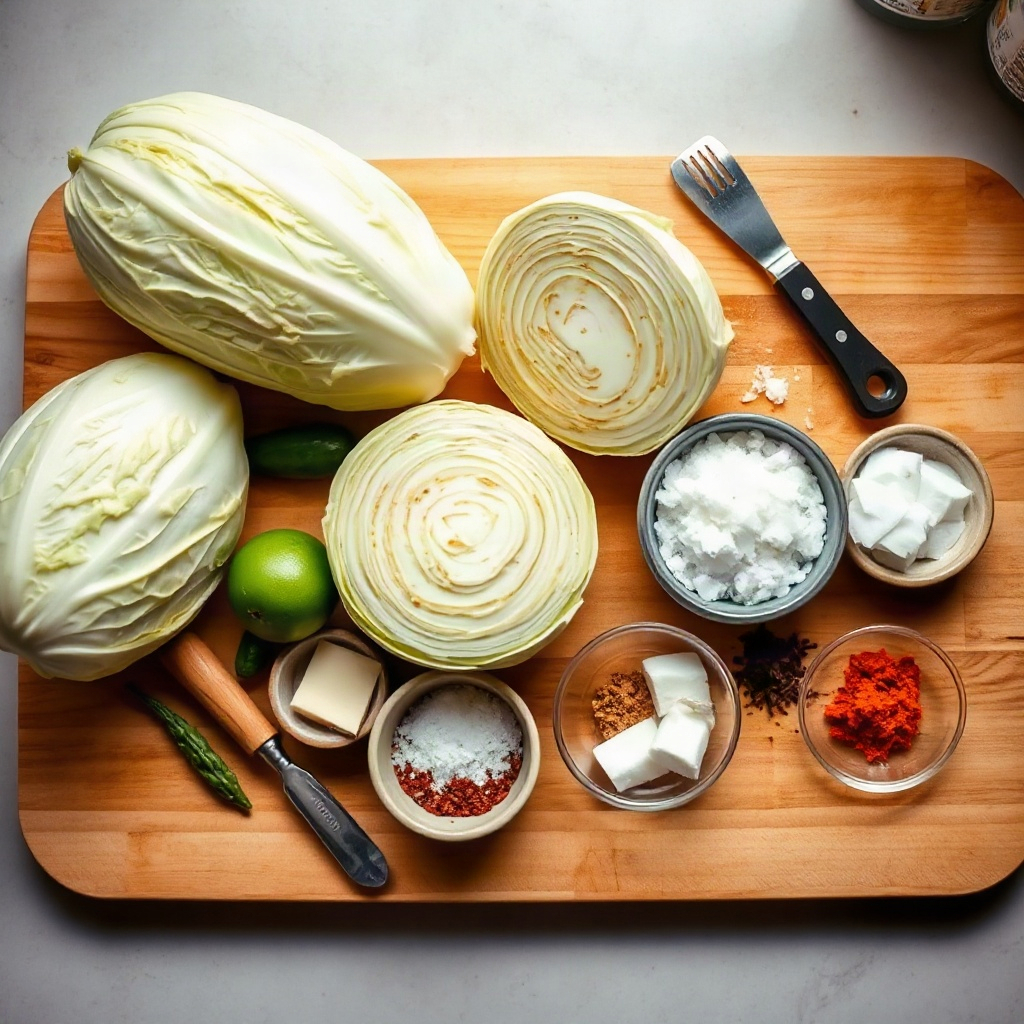
The star of any fermented cabbage recipe is, of course, the cabbage itself. A medium green cabbage provides the perfect base, yielding a crunchy texture and a mild flavor that accepts the brine beautifully. Kosher salt is crucial, as it not only enhances flavor but also helps to draw out moisture from the cabbage, creating the brine necessary for fermentation. Optional additions like caraway and mustard seeds can introduce intriguing layers of flavor, adding a hint of warmth and spice that complements the tanginess of the fermented cabbage. These ingredients work together to promote the growth of beneficial bacteria, making your homemade kimchi or sauerkraut a delicious source of probiotic foods.
How to Make Fermented Cabbage Recipes for Gut Health: Kimchi, Sauerkraut & More
To begin your journey into fermented cabbage recipes, start by preparing your cabbage. Remove any damaged outer leaves, then slice the cabbage into quarters and discard the core. Proceed to thinly shred the cabbage, allowing for even fermentation. In a large mixing bowl, combine the shredded cabbage with kosher salt. This step is crucial; massage the salt into the cabbage for about 5-10 minutes until it begins to release its natural juices, creating a brine. If desired, you can enhance the flavor by stirring in caraway and mustard seeds at this stage.
Next, transfer the cabbage mixture into a clean glass jar, firmly pressing it down to eliminate any air pockets. Ensure you leave about 1-2 inches of headspace at the top of the jar to accommodate expansion during fermentation. Cover the jar with a cloth and secure it with a rubber band or string to keep out dust while allowing gases to escape. Place the jar in a cool, dark area to ferment at room temperature for 1-4 weeks. It’s essential to check on your cabbage regularly; if it floats above the brine, simply press it down to keep it submerged.
Once the fermentation process reaches your desired tanginess, seal the jar with a lid and store it in the refrigerator. Your homemade sauerkraut will be ready to enjoy and can last for several months, providing a deliciously probiotic addition to your meals.
[RECIPE CARD — INSERT TASTY CARD HERE]
Tips for the Best Fermented Cabbage Recipes for Gut Health: Kimchi, Sauerkraut & More
To achieve the best results with your fermented cabbage recipes, start with high-quality, organic cabbage. This ensures a robust fermentation process and a richer flavor. When preparing your cabbage, make sure to remove any wilted outer leaves and cut it into uniform pieces to promote even fermentation.
For kimchi, don’t skimp on the seasoning! The balance of salt, garlic, ginger, and chili powder is crucial for both flavor and fermentation. Allow the mixture to sit for a short time before packing it into jars to enhance the infusion of flavors.
Timing is also key. Fermentation can vary based on temperature and humidity. Aim for a cool, dark place to ferment your cabbage, and check it daily. Taste it after a few days; once it reaches your desired tanginess, transfer it to the refrigerator to slow down the fermentation process.
Lastly, avoid using metal containers for fermentation. Instead, opt for glass jars or ceramic crocks, as these materials won’t react with the acidic environment created during fermentation. With these tips, you can create delicious and gut-friendly fermented cabbage dishes every time.
Variations and Substitutions
When it comes to fermented cabbage recipes, there are plenty of variations and substitutions to consider that can enhance flavor and cater to dietary preferences. For a traditional kimchi recipe, you can add ingredients like grated carrots, radishes, or scallions for extra crunch and sweetness. If you’re looking for a spice kick, include Korean red pepper flakes (gochugaru) or a splash of fish sauce for depth. On the other hand, for a milder sauerkraut recipe, consider adding apples or caraway seeds, which can complement the tangy flavor of the cabbage.
For those who prefer a vegan option, simply omit any fish sauce or shrimp paste in kimchi and replace it with a splash of soy sauce or miso paste for umami. If you have a different type of cabbage on hand, such as Napa or Savoy, feel free to use that in place of green cabbage; just keep in mind that different varieties can yield slightly different textures and flavors. Lastly, if you’re short on time, you can quick-pickle your cabbage instead of fermenting it, which will provide a tangy flavor without the wait.
What to Serve With Fermented Cabbage Recipes for Gut Health: Kimchi, Sauerkraut & More
Fermented cabbage recipes like kimchi and sauerkraut are versatile accompaniments that can elevate a variety of meals. For a refreshing contrast, pair them with grilled meats, such as chicken or pork, where the tangy flavors can cut through the richness. They also complement richer dishes like creamy pasta or potato salads, adding a vibrant crunch and probiotic goodness.
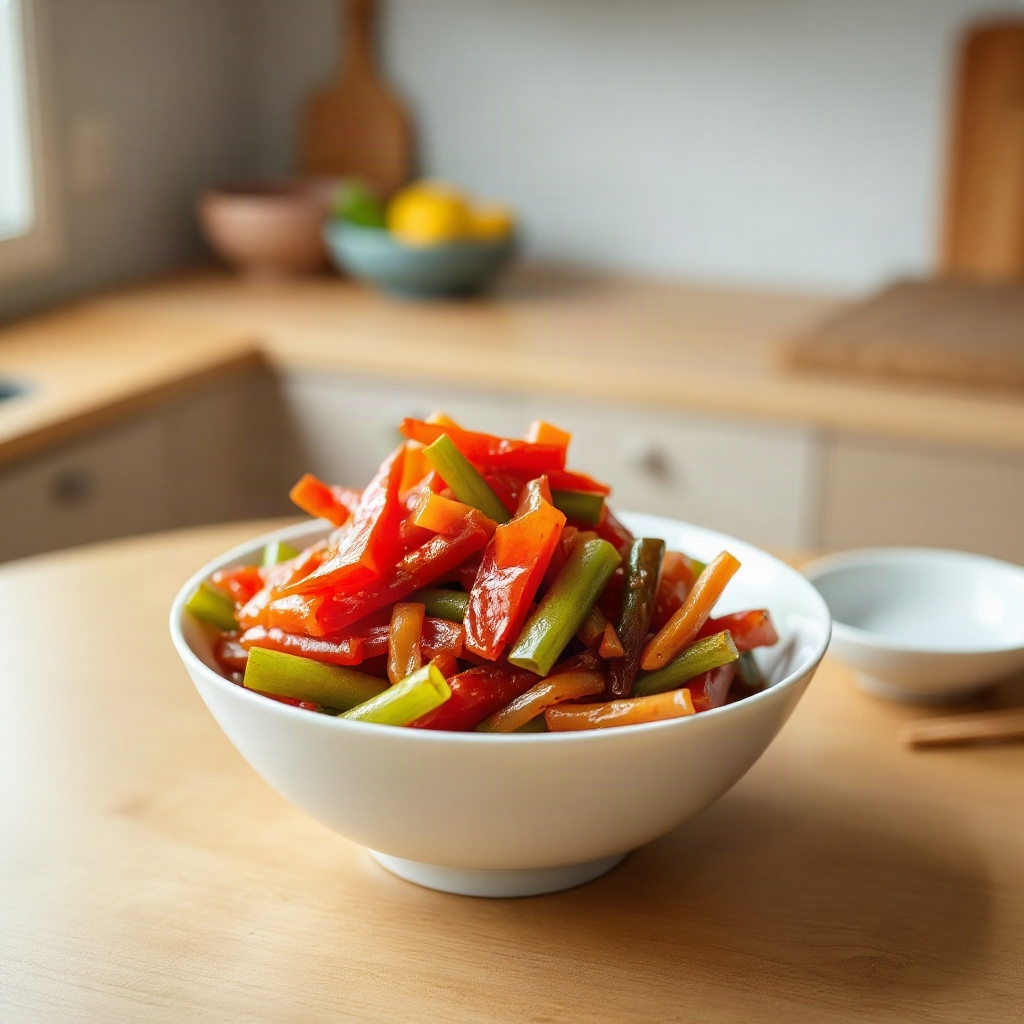
For a lighter option, consider serving fermented cabbage alongside fresh salads or as a topping for tacos and sandwiches. The crunch and acidity can balance out heavier ingredients, making your meal more satisfying. Additionally, these probiotic foods make an excellent side dish with rice or grain bowls, enhancing both flavor and health benefits.
How to Store and Reheat
To store your fermented cabbage recipes, such as kimchi or sauerkraut, keep them in airtight containers in the refrigerator. Properly stored, they can last up to several months, allowing their flavors to develop even further over time. Be sure to always use clean utensils when scooping out portions to prevent contamination.
If you want to enjoy your fermented cabbage warm, gently reheat it in a pan over low heat, stirring occasionally until warmed through. Avoid boiling or microwaving, as this can diminish the beneficial probiotics present in these gut health recipes.
You might also like: the viral drink trend of dirty soda, how to make dirty soda at home, healthy dirty soda recipes that are low in sugar
Frequently Asked Questions
What are the health benefits of fermented cabbage recipes?
Fermented cabbage recipes, like kimchi and sauerkraut, are rich in probiotics which promote gut health. They can improve digestion, enhance nutrient absorption, and may even support immune function. Additionally, these dishes are low in calories and high in vitamins, making them a nutritious addition to your diet.
How do I make sure my fermented cabbage turns out well?
To ensure your fermented cabbage is successful, use fresh, high-quality ingredients and follow the fermentation time recommended in your recipe. Keep the cabbage submerged in its brine to prevent spoilage and store it in a cool, dark place during fermentation. Taste it periodically to achieve your desired flavor.
Can I use different vegetables in fermented cabbage recipes?
Yes, you can experiment with other vegetables in fermented cabbage recipes. Carrots, radishes, and cucumbers can be added for different flavors and textures. Just adjust the salt and seasoning according to the new ingredients to maintain the fermentation process.
What can I serve with fermented cabbage dishes?
Fermented cabbage dishes pair well with a variety of foods. Common accompaniments include grilled meats, rice, or as a topping for tacos and sandwiches. They also make excellent side dishes for richer meals, adding a tangy contrast that enhances overall flavors.
How should I store fermented cabbage once opened?
Once opened, store fermented cabbage in the refrigerator in a tightly sealed container. This slows down the fermentation process and helps maintain its flavor and probiotic benefits. It can last for several weeks when properly stored.
Conclusion
Fermented cabbage recipes like kimchi and sauerkraut not only enhance your meals with vibrant flavors but also contribute to your gut health. By following the guidelines and tips provided, you can confidently create these delicious dishes at home, tailored to your taste preferences. Whether you enjoy them as a side dish, topping, or ingredient in other recipes, the versatility of fermented cabbage makes it a fantastic addition to your culinary repertoire.
Embrace the process of fermentation, experiment with variations, and discover the joy of incorporating these probiotic-rich foods into your diet. Happy fermenting!