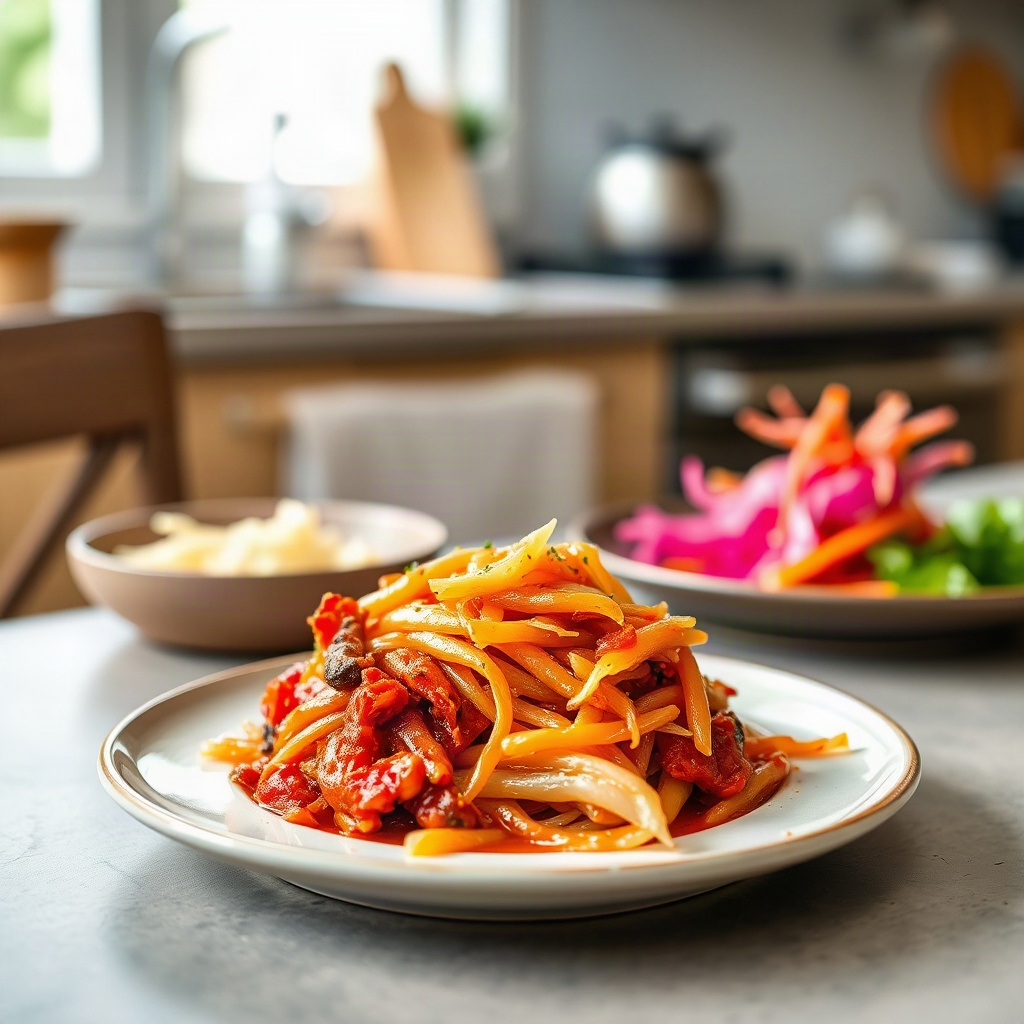
Fermented cabbage recipes like kimchi and sauerkraut are not only delicious but also packed with gut-friendly probiotics. These recipes transform simple cabbage into tangy, flavorful dishes that can enhance your meals while promoting digestive health.
In this article, you’ll discover how to create your own fermented cabbage at home, along with essential tips for achieving the perfect balance of flavors and textures. Whether you’re a seasoned fermenter or just starting out, we’ve got you covered with step-by-step instructions, ingredient highlights, and variations to suit your taste.
Table of Contents
Table of Contents
Why You’ll Love This Recipe
Fermented cabbage recipes, such as kimchi and sauerkraut, are not only delicious but also packed with health benefits. The tangy flavor of these probiotic-rich dishes enhances everything from tacos to salads, making them versatile additions to your meals. The satisfying crunch of fermented cabbage adds a delightful texture, elevating your everyday dishes. Plus, these recipes are straightforward and convenient, allowing you to create a batch at home with minimal effort. Lastly, incorporating fermented vegetables into your diet contributes to gut health, making these recipes both tasty and beneficial for your well-being.
Ingredients You’ll Need
The primary ingredient in these fermented cabbage recipes is green cabbage, which serves as the base for both kimchi and sauerkraut. Its crisp texture provides a satisfying crunch and, when fermented, develops a tangy flavor that enhances the overall dish. Sea salt is crucial, as it draws moisture from the cabbage, creating a brine that facilitates fermentation while also helping to preserve the cabbage. Optional caraway seeds can be added for a subtle, earthy flavor that complements the natural sweetness of the cabbage.
If needed, a bit of filtered water can be used to ensure the cabbage is submerged, which is vital for the fermentation process.
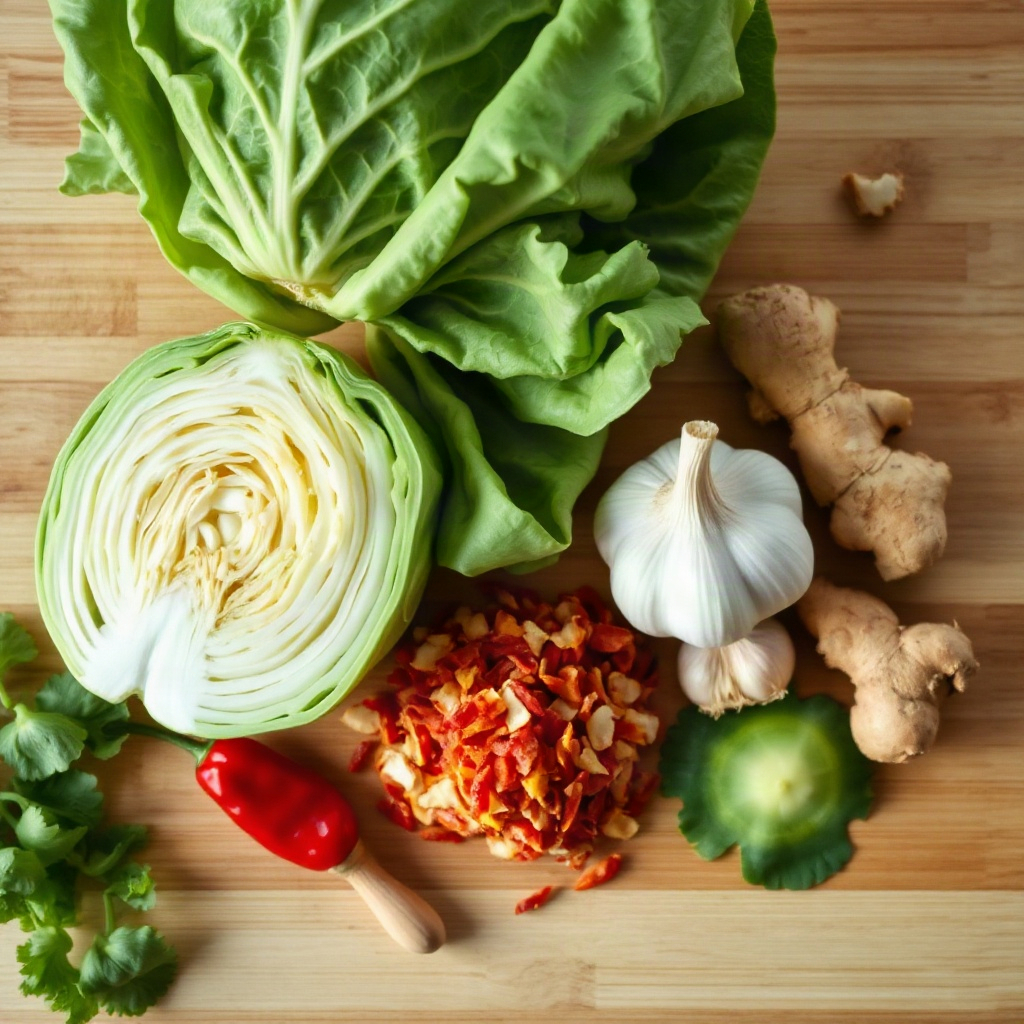
How to Make Fermented Cabbage Recipes for Gut Health: Kimchi, Sauerkraut & More
To begin making your fermented cabbage recipe, start by preparing the cabbage. Remove any wilted outer leaves and set them aside, then cut the cabbage into quarters and remove the core. Shred the cabbage into thin strips, which will help with the fermentation process. Once your cabbage is ready, place it in a large bowl and sprinkle with sea salt. Using your hands, massage the cabbage for about 5-10 minutes until it begins to release its natural juices. This step is crucial as it creates the brine that will ferment the cabbage.
If you’re opting for extra flavor, mix in caraway seeds at this point. Next, transfer the cabbage mixture into a clean quart-sized mason jar. Press it down firmly to eliminate any air pockets, ensuring that the cabbage is submerged in its own liquid by at least an inch. This is important for proper fermentation.
Cover the jar with a lid, leaving it slightly loose to allow gases to escape, or use a weight to keep the cabbage submerged. Let the jar sit at room temperature for 1 to 4 weeks, tasting it weekly until it reaches your desired level of sourness. Once fermented, tighten the lid and store the sauerkraut in the refrigerator, where it can last several months. Enjoy your homemade fermented cabbage as a nutritious addition to your meals!
Print
Classic Sauerkraut Recipe
- Total Time: 1 week
- Yield: 4 cups 1x
- Diet: Vegan
Description
This classic sauerkraut recipe transforms simple cabbage and salt into a tangy, probiotic-rich side dish that’s great for gut health. Perfect for pairing with various meals or enjoying on its own!
Ingredients
1 medium green cabbage, shredded (about 2 pounds)
1 tablespoon sea salt
1 teaspoon caraway seeds (optional)
1 tablespoon filtered water (if needed)
Instructions
Prepare the Cabbage: Remove the outer leaves of the cabbage and set them aside. Cut the cabbage into quarters, remove the core, and shred the cabbage into thin strips.
Mix with Salt: In a large bowl, combine the shredded cabbage and sea salt. Massage the cabbage with your hands for about 5-10 minutes until it starts to release its juices.
Add Caraway Seeds: If using, mix in the caraway seeds for added flavor.
Pack into Jar: Transfer the cabbage mixture into a clean, quart-sized mason jar, pressing it down firmly to remove any air pockets. The cabbage should be submerged in its own liquid by at least 1 inch.
Seal and Ferment: Cover the jar with a lid, leaving it slightly loose to allow gases to escape, or place a weight on top of the cabbage. Let it ferment at room temperature for 1-4 weeks, tasting weekly until it reaches your desired sourness.
Store in Fridge: Once fermented, tighten the lid and store the sauerkraut in the refrigerator, where it will keep for several months.
Notes
Sauerkraut can be enjoyed on its own, as a topping for hot dogs, or mixed into salads. Ensure all equipment is clean to prevent unwanted bacteria during fermentation.
- Prep Time: 15 minutes
- Fermentation Time: 1-4 weeks
- Category: Side Dish
- Method: Fermented
- Cuisine: German
Nutrition
- Serving Size: 1/2 cup
- Calories: 25
- Sugar: 1g
- Sodium: 300mg
- Fat: 0g
- Saturated Fat: 0g
- Unsaturated Fat: 0g
- Trans Fat: 0g
- Carbohydrates: 5g
- Fiber: 2g
- Protein: 1g
- Cholesterol: 0mg
Keywords: fermented cabbage recipes, gut health recipes, sauerkraut recipe, probiotic foods, fermented vegetables
Tips for the Best Fermented Cabbage Recipes for Gut Health: Kimchi, Sauerkraut & More
To ensure your fermented cabbage recipes turn out perfectly, start with fresh, organic cabbage. The quality of your cabbage significantly influences the flavor and texture of your final product. For kimchi, consider adding a variety of vegetables like carrots or radishes for added crunch and flavor. When preparing your brine, use non-iodized salt to avoid any interference with the fermentation process; sea salt or kosher salt works best.
Keep an eye on the fermentation time; typically, kimchi ferments faster than sauerkraut due to the additional ingredients and sugars present. Taste your mixture regularly during fermentation to achieve your desired tanginess. If you notice any off smells or colors, discard the batch and start over, as these can indicate spoilage.
Finally, ensure your containers are clean and airtight to prevent unwanted bacteria from affecting the fermentation. Using glass jars with tight-fitting lids can help maintain the right environment for your gut-friendly foods.
Variations and Substitutions
When it comes to fermented cabbage recipes like kimchi and sauerkraut, there are several delicious variations and substitutions you can explore to customize your dish. For instance, if you want to experiment with flavors, you can add grated carrots or daikon radish to your kimchi for a slightly sweet crunch. Alternatively, consider using napa cabbage instead of green cabbage for a milder flavor in sauerkraut.
If you’re looking for a spice kick, try incorporating different chili powders or fresh chili peppers into your kimchi recipe. For those who prefer a milder taste, simply reduce the amount of spice used. You can also substitute sea salt with kosher salt, but ensure it’s pure and free from additives to maintain the fermentation process.
For a unique twist, consider adding herbs like dill to your sauerkraut or even experimenting with different types of vinegar in the brine for extra tang. Remember, while substitutions can enhance your recipe, maintaining the fermentation process is crucial, so always choose ingredients that will work well together for optimal gut health benefits.
What to Serve With Fermented Cabbage Recipes for Gut Health: Kimchi, Sauerkraut & More
Fermented cabbage recipes like kimchi and sauerkraut pair beautifully with a variety of dishes, enhancing both flavor and gut health. Serve kimchi as a vibrant side with grilled meats or fish, as its spicy crunch complements rich flavors. Sauerkraut can elevate classic dishes such as sausages or pork chops, adding a tangy contrast that balances the meal. For a lighter option, mix fermented cabbage into salads or grain bowls, where its probiotic benefits can shine. Additionally, consider using these fermented vegetables as toppings for tacos or sandwiches, providing a zesty kick that brightens up any bite.

How to Store and Reheat
To store your fermented cabbage recipes like kimchi and sauerkraut, transfer them to airtight containers and keep them in the refrigerator. Properly stored, these probiotic-rich foods can last for several months, with flavors continuing to develop over time. Always ensure that the vegetables are submerged in their brine to maintain freshness and prevent spoilage.
When it comes to reheating, it’s best to enjoy kimchi and sauerkraut cold or at room temperature to preserve their probiotics and vibrant flavors. If you prefer to warm them up, do so gently in a pan over low heat, stirring occasionally. Avoid boiling, as high temperatures can kill beneficial bacteria and alter the taste.
You might also like: understanding the dirty soda trend, how to make dirty soda at home, healthy dirty soda recipes
Frequently Asked Questions
What are the main benefits of fermented cabbage recipes?
Fermented cabbage recipes, like kimchi and sauerkraut, are packed with probiotics that promote gut health, aid digestion, and boost the immune system. Additionally, they offer unique flavors and can enhance various dishes.
How long does it take to ferment cabbage for kimchi or sauerkraut?
The fermentation time for kimchi and sauerkraut varies but typically ranges from 1 to 4 weeks. The exact duration depends on the temperature and desired sourness, with warmer conditions speeding up the process.
Can I substitute other vegetables in fermented cabbage recipes?
Yes, you can incorporate other vegetables like carrots, radishes, or cucumbers in your fermented cabbage recipes. Just ensure they are properly prepared and maintain similar moisture levels to achieve effective fermentation.
What is the best way to store fermented cabbage?
Store fermented cabbage in airtight containers in the refrigerator to maintain its probiotic benefits. It can last several months when properly stored, but check for any off smells or colors before consuming.
Can I freeze fermented cabbage recipes like kimchi or sauerkraut?
While you can freeze fermented cabbage, it’s not recommended as freezing can alter the texture and reduce the crunchiness. If you decide to freeze it, use airtight containers to prevent freezer burn.
Conclusion
Fermented cabbage recipes like kimchi and sauerkraut not only promote gut health but also bring vibrant flavors and textures to your meals. By understanding the key ingredients, mastering the fermentation process, and exploring various tips and substitutions, you can easily create delicious, probiotic-rich dishes at home. Whether you enjoy them as sides, toppings, or main components, these recipes are both versatile and beneficial for your well-being.
Embrace the art of fermentation, and don’t hesitate to experiment with different variations to discover your favorite flavor profiles. With proper storage and reheating techniques, you can savor these nutritious delights long after making them. Happy fermenting!